22 September 2026 · Substack
Meli-edes, Eleni y el Barco de Teseo
Honey-sweet. Warm from the sun.
Read on Substack ↗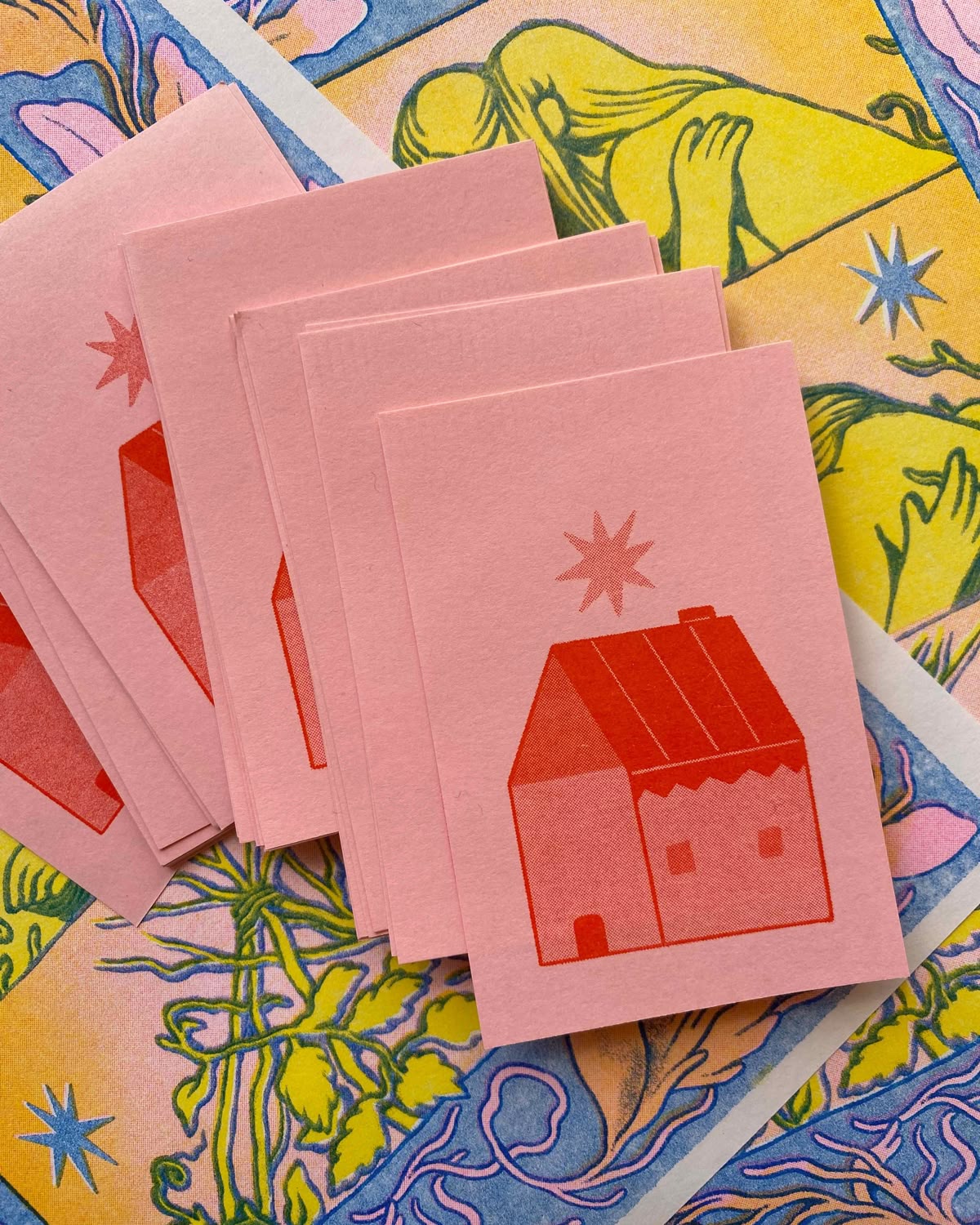
Agos Avaro's house — texts: writing and editing | English <> Spanish translation projects | English <> Spanish teaching | writing and collage workshops
Editorial projects, storytelling and collaborations: writing and editing alongside other houses, brands and artists.
English or Spanish lessons for travellers and specific purposes, to help you to communicate wherever you go, so you can shine in presentations or meetings. Zero strees: no pressure, no embarrassament. Flexible and dynamic. Above all: have fun!
Writing and collage circles: rituals to set intentions and hold the practice.
When Tina feels the spark: a dispatch of the reads, writings, and quiet thoughts taking root inside her.
The house, up close

As an English translator and teacher | writer, editor and creative workshops/labs facilitator | assistant on creative projects and at galleries:
I’m passionate about mindful and human-made translation, the kind that seeks out the right nuance and texture of language without falling back on shortcuts or AI.
I also teach English for specific purposes and the cultural sector: developing artists’ portfolios and narrative project structures, and coordinating gallery work.
I founded The House of Tina to bring all these facets together with both my fresh and detail-driven approach.
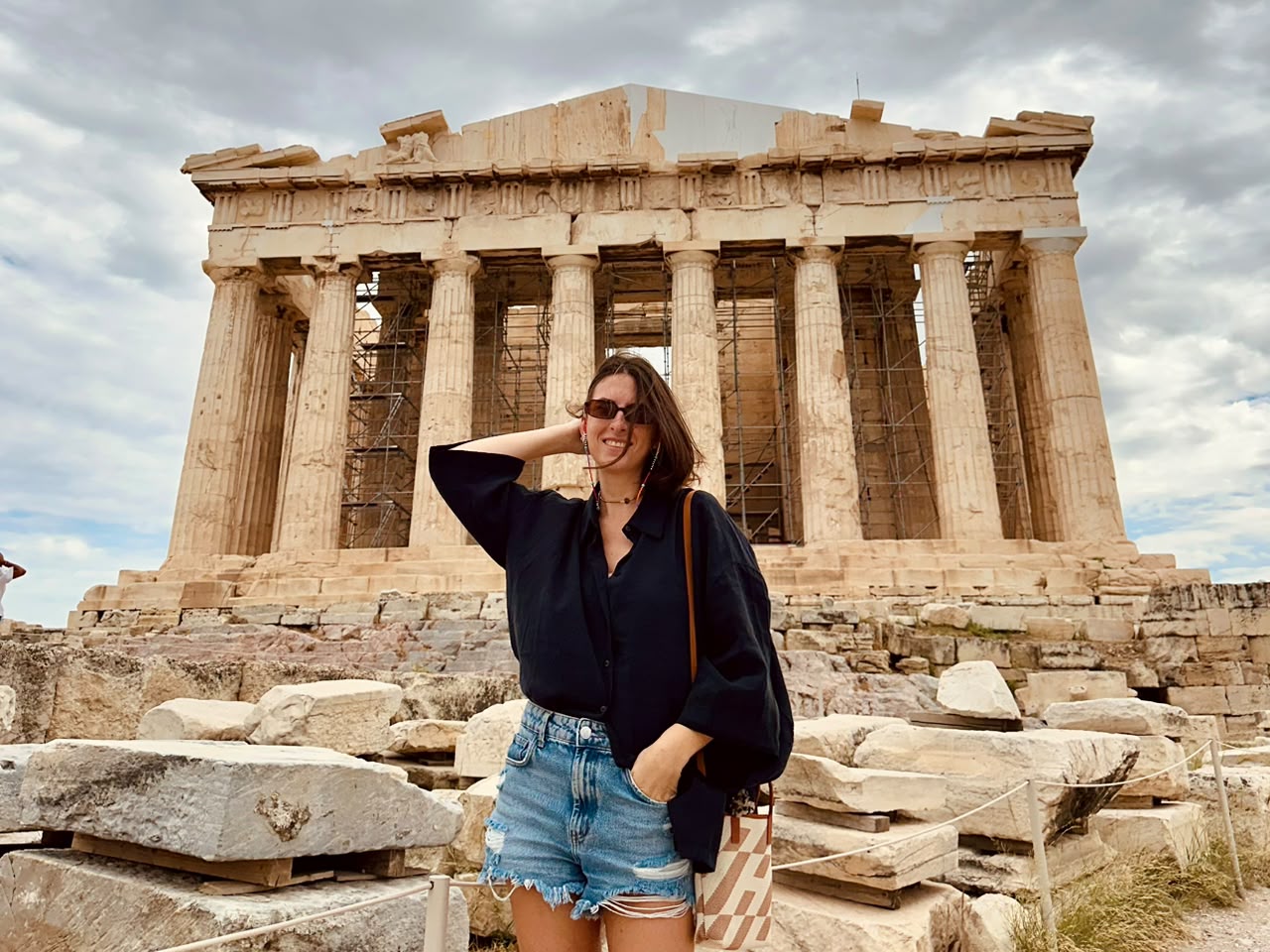
Currently based in SKG, Greece from where I collaborate on cultural projects both within and outside Europe. Join me on this journey!
The book · Agostina Avaro
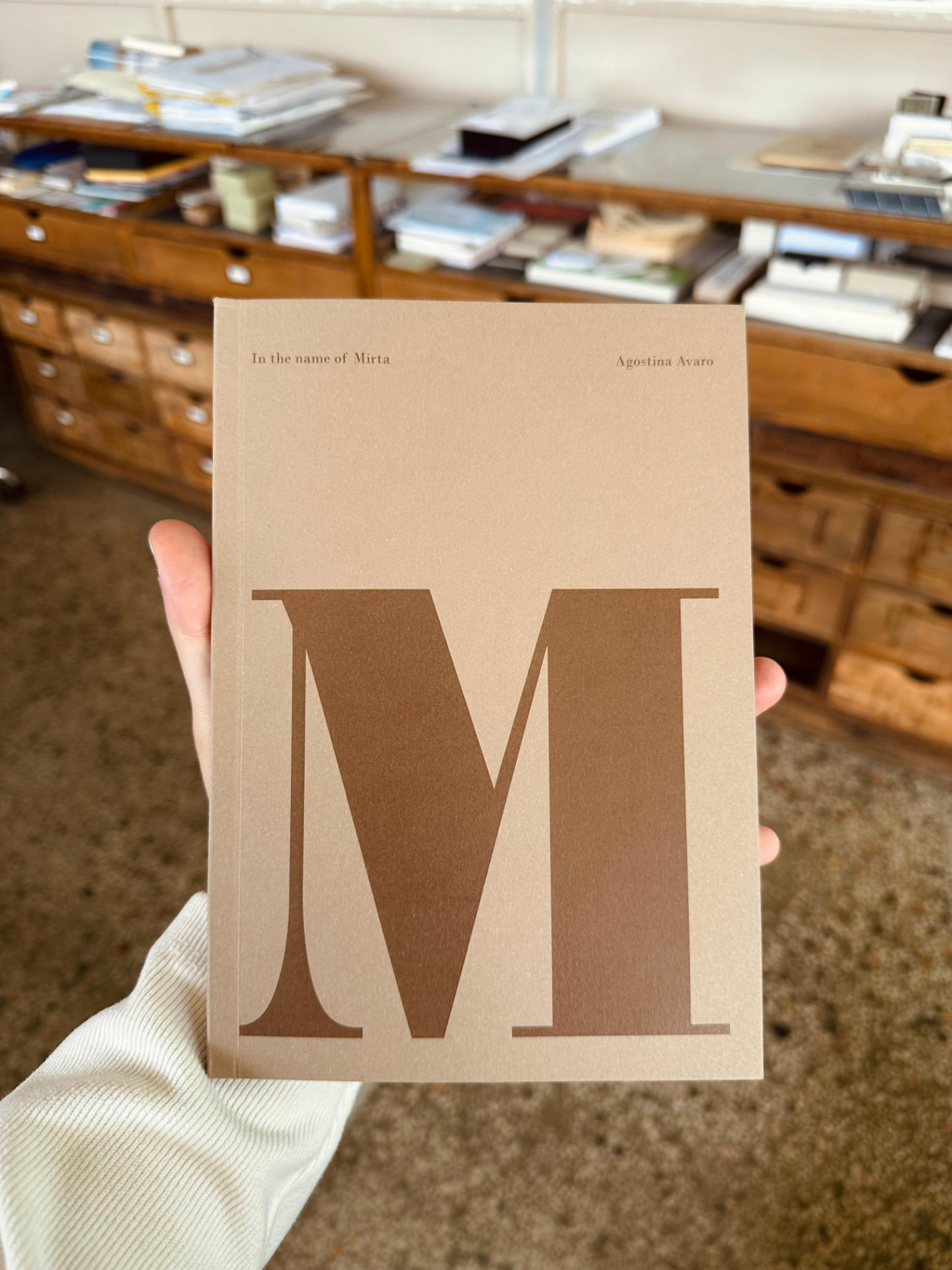
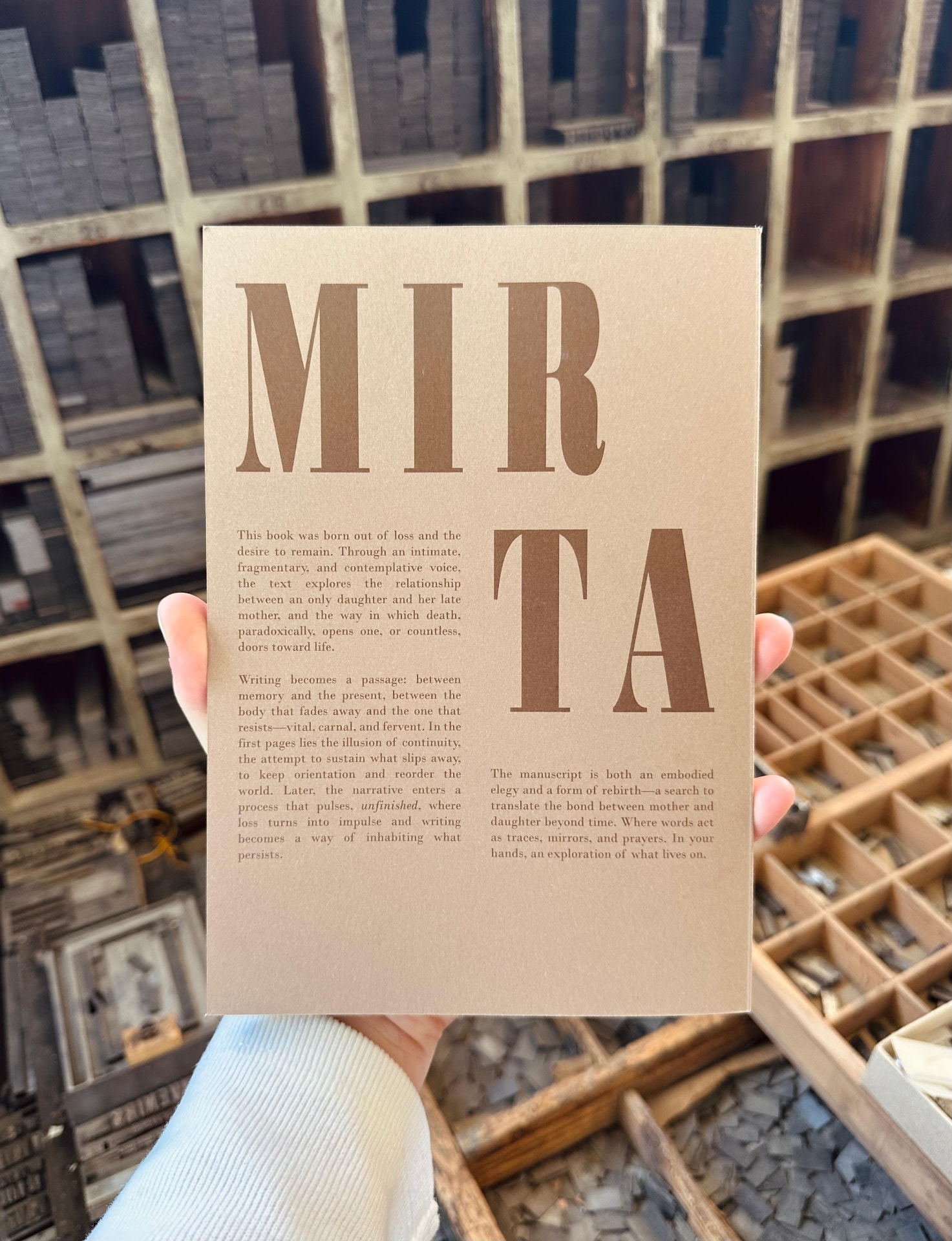
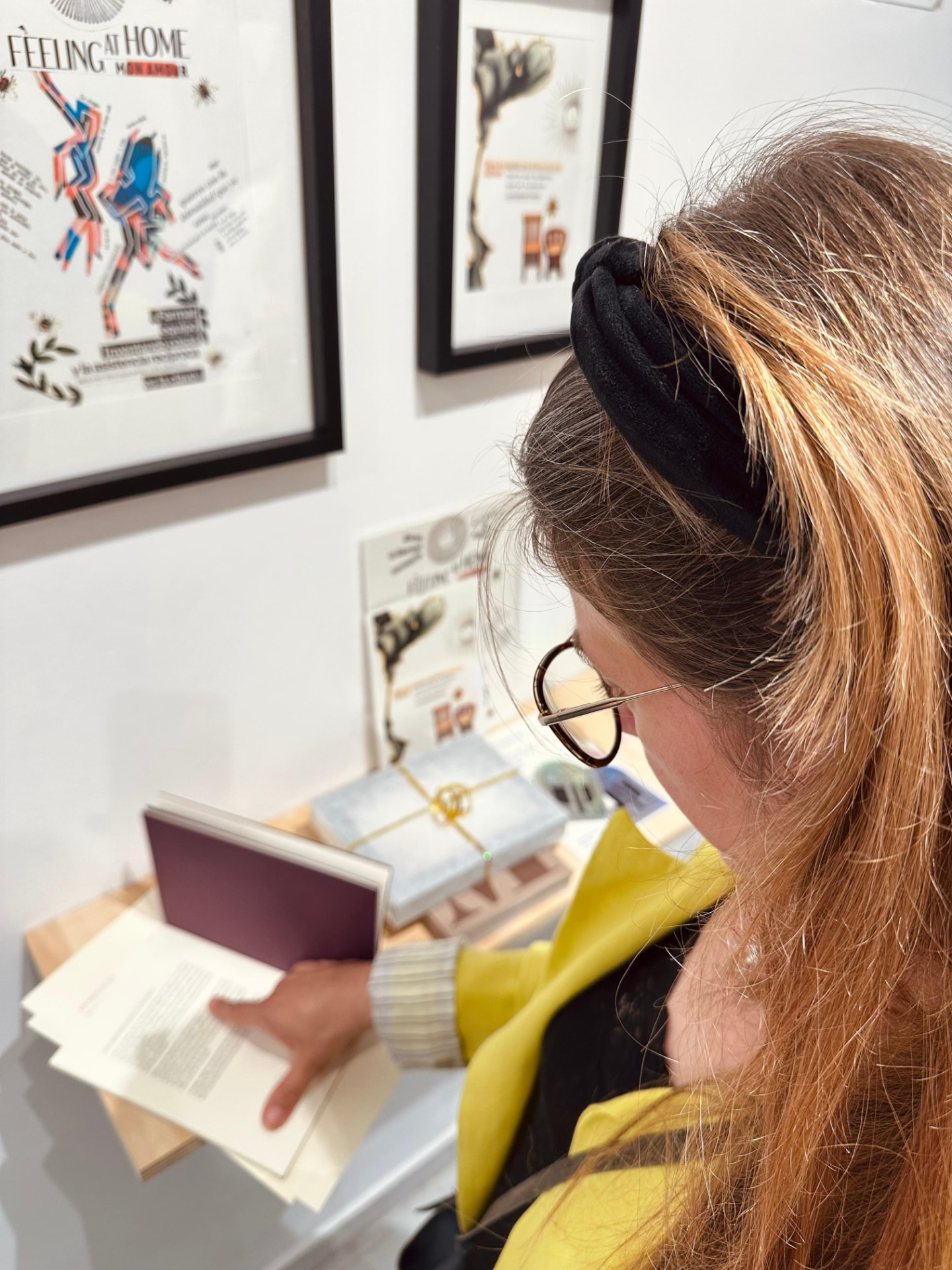
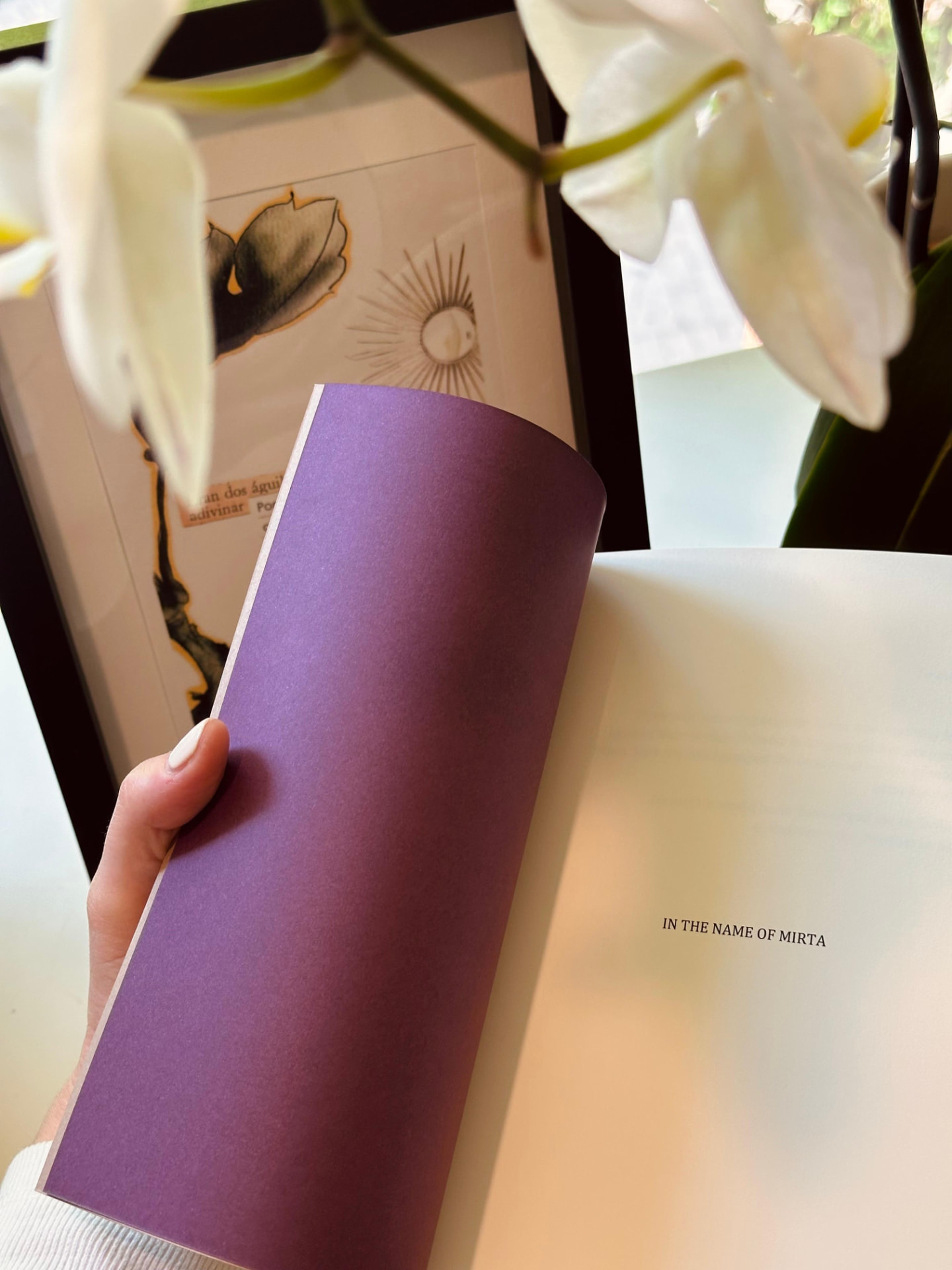
This book was born out of loss and the desire to remain. Through an intimate, fragmentary, and contemplative voice, the text explores the relationship between an only daughter and her late mother, and the way in which death, paradoxically, opens one—or countless—doors toward life.
Writing becomes a territory of passage: between memory and the present, between the absent body that fades away and the one that resists—vital, carnal, and fervent. In the first pages lies the illusion of continuity, the attempt to sustain what slips away, to keep orientation and reorder the world. Later, the narrative enters a process that still pulses, unfinished, where loss turns into impulse and writing becomes a way of inhabiting what persists.
The book is both an embodied elegy and a form of rebirth—a search to translate the bond between mother and daughter beyond time, where words act as traces, mirrors, and prayers. An exploration of what remains.
Buy a copy
The latest to come out of the house's desk: to be read slowly and to give the gaze back.

